
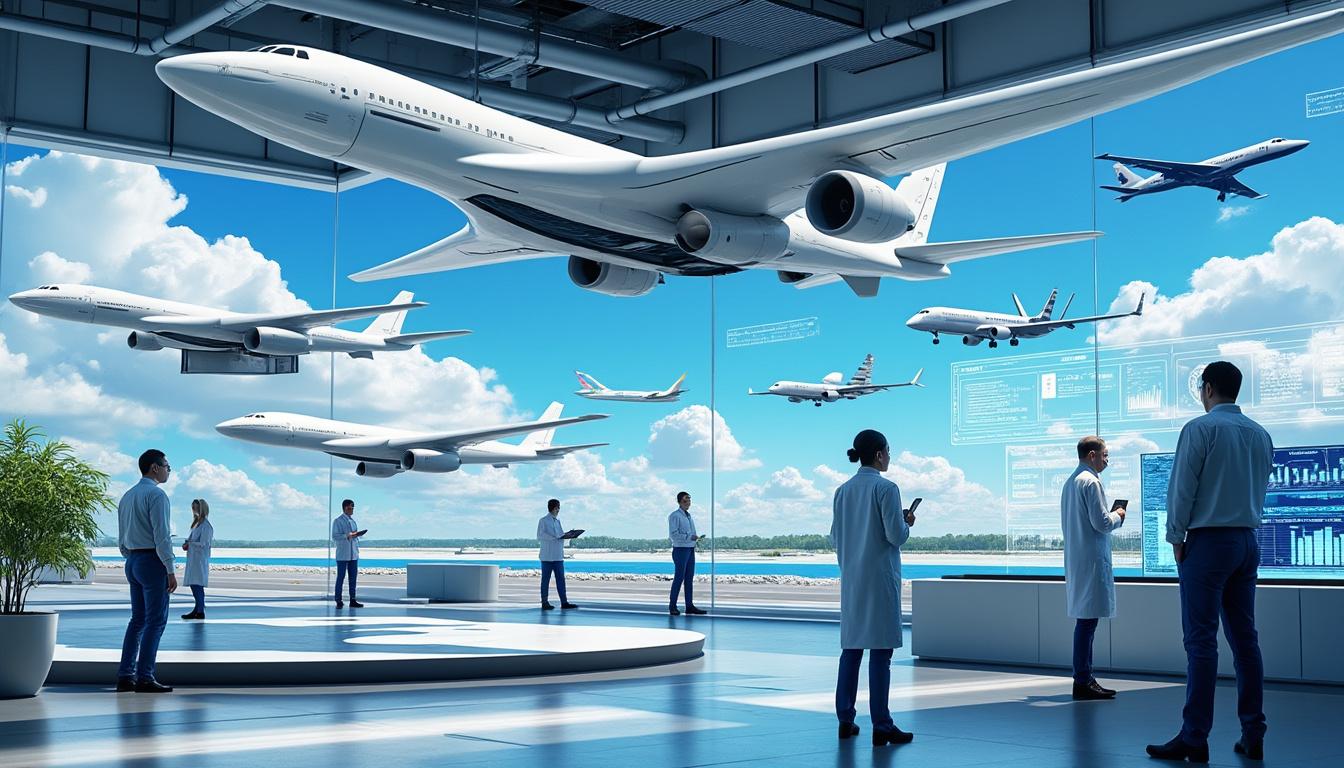
Excitement is soaring in the aerospace industry as we venture into the innovations awaiting us in 2025. Visionaries and engineers are relentlessly redefining the boundaries of air travel, space exploration, and even the environmental impact of aviation. Companies like SpaceX, Boeing, and Airbus are racing against each other to roll out groundbreaking technologies, while fresh startups such as Rocket Lab and Relativity Space are making impressive strides in the quest for a sustainable and efficient aerospace future. With trends like AI integration, advanced materials, and electric propulsion leading the charge, the sky truly isn’t the limit anymore — it is only the beginning!
The Transformative Role of Artificial Intelligence in Aerospace
Artificial intelligence (AI) is no longer just a futuristic concept; it’s becoming the backbone of many industries, including aerospace. As airlines and manufacturers strive to optimize operations, reduce costs, and enhance safety, the integration of AI technologies has become indispensable.

Automation: The Power of AI in Flight Operations
Imagine a world where pilots can rely on AI to assist in their decision-making. That future is rapidly becoming a reality. AI technologies are being developed to analyze flight data in real-time, enabling smarter route optimization and fuel-efficient operational strategies. This not only reduces costs for airlines but also minimizes the environmental impact of air travel.
Some key applications of AI in aerospace include:
- Predictive Maintenance: Advanced algorithms predict when an aircraft component is likely to fail, allowing preventive repairs that enhance safety.
- Autonomous Systems: Unmanned Aerial Vehicles (UAVs) and drones are now equipped with AI and machine learning to navigate complex environments independently.
- Flight Safety: AI-powered co-pilots, such as those developed by Beacon AI, enhance human decision-making by monitoring vital flight parameters.
In 2025, expect to see airlines actively employing AI for both commercial operations and while pushing for better safety standards. The impact is set to revolutionize not just airlines but also manufacturers who will capitalize on AI frameworks to achieve breakthroughs in design and manufacturing processes.
AI in Design and Manufacturing
When it comes to designing new aircraft, AI facilitates rapid prototyping, advanced simulations, and optimizations that were previously unimaginable. By incorporating machine learning algorithms, engineers can analyze vast data sets to predict outcomes and enhance the overall design process. This acceleration in design could mean more efficient aircraft hitting the skies sooner.
| Application | Description |
|---|---|
| Predictive Maintenance | Analyze historical data to predict component failures. |
| Autonomous Systems | AI systems used for navigation and data collection in UAVs. |
| Enhanced Safety Measures | AI systems support pilots in decision-making and anomaly detection. |
With these advancements, keeping the passenger experience smooth and carefree will also be a focus. AI is also expected to optimize in-flight services by predicting passenger needs, ultimately leading to a more enjoyable flight experience.
Advancements in Sustainable Aviation Technologies
The aerospace industry stands at a crossroads with mounting pressure to reduce carbon emissions and develop sustainable practices. The 2025 landscape highlights innovations that promise a greener future. Companies like Blue Origin and Virgin Galactic are pioneering projects in sustainable propulsion and advanced fuel technologies.
Biofuels and Beyond
The use of sustainable aviation fuels (SAFs) is gaining traction. In fact, by 2025, the global market for SAF is projected to soar, with a notable increase in investment from traditional players and new-age startups alike. This shift not only opens avenues for emerging companies but also propels established giants like Northrup Grumman and Lockheed Martin into a new era of research and development.
Here’s how sustainable aviation technologies are taking flight:
- Biofuels: Created from renewable resources, they can reduce carbon emissions by up to 80% compared to conventional fuels.
- Electric Flight Technology: Companies like Maeve Aerospace are focusing on electric aircraft that rely on batteries, minimizing environmental impact.
- Hybrid Models: The next generation of aircraft will likely employ a hybrid approach, using both electric propulsion systems and conventional engines.
The drive for sustainability extends beyond merely choosing an eco-friendly fuel. Research projects are also underway to enhance fuel efficiency through the integration of new aerodynamic designs and material choices. A shining example includes Airbus, actively working on designs that can reduce drag and improve flight efficiency. Expect to hear more about these innovations during major aerospace exhibitions in the coming years.
| Technology | Benefits |
|---|---|
| Sustainable Aviation Fuels | Lower carbon emissions, renewable source |
| Electric Aircraft | Reduced noise pollution, emissions-free flights |
| Hybrid Propulsion | Improved fuel efficiency, versatility |
Exploring the Future of Deep Space Missions
Deep space exploration continues to be a hot topic as the world looks toward Mars and beyond. Driven by pioneering companies like SpaceX and Rocket Lab, the focus is shifting toward human missions to Mars and resources utilization on celestial bodies. With NASA leading the charge, we can expect exciting advancements in deep space exploration.
Innovative Approaches to Exploration
As we look to the stars, various paths are emerging, including resource extraction and sustainable living on other planets. NASA’s Innovative Advanced Concepts (NIAC) program has spawned projects that aim to map resources on Mars while tackling challenges of long-term human colonization.
Some noteworthy innovations presently being explored include:
- Water Extraction: NIAC is studying methods to extract water from Martian soil, a crucial step for sustaining human life.
- Radiation Protection: New materials are being developed that will provide better protection against the dangerous doses of cosmic radiation in deep space.
- Advanced Spacesuits: Research is focused on creating ergonomic suits equipped with lifesaving features for the harsh Martian environment.
Furthermore, these concepts could extend beyond exploratory missions to benefit human health on Earth. The technologies developed for chronic radiation exposure can have therapeutic applications back home.
| Project | Focus |
|---|---|
| Water Extraction | Sourcing water from Martian soil |
| Radiation Shielding | Prevent damage from cosmic radiation |
| Spacesuit Innovations | Enhanced mobility and protection for astronauts |
These exciting advancements may pave the way for humanity’s first permanent settlement on Mars, transforming the sci-fi dream into achievable reality.
The Role of Startups in Aerospace Advancement
Innovative startups are shaking up the aerospace landscape, introducing fresh ideas and solutions that challenge conventional practices. With an influx of capital, many visionary entrepreneurs are developing technologies anticipated to reshape the industry in 2025 and beyond. The vibrant startup ecosystem is showing that the future of aerospace is not solely in the hands of industry giants.
Identifying Key Players
Among the myriad of startups emerging in the aerospace sector, several have caught the eye with their groundbreaking technologies. Here’s a snapshot of some key startups to watch:
- Relativity Space: Pioneering 3D printing techniques for rocket production.
- Skyrora: Developing eco-friendly launch vehicles for the small satellite market.
- Dragonfly Aerospace: Focusing on cost-effective satellite solutions.
These startups, among others, are pioneering revolutionary ideas that promise to enhance efficiency, reduce costs, and increase accessibility to space. Expect to see partnerships form between startups and established giants like Northrop Grumman, creating a mutually beneficial ecosystem.
| Startup | Technology |
|---|---|
| Relativity Space | 3D Printing for Rockets |
| Skyrora | Eco-friendly Launch Vehicles |
| Dragonfly Aerospace | Cost-effective Satellite Solutions |
The collaboration between innovations from new entrants and established players will further accelerate technological advances, shaping the future of aerospace technology.
FAQ – Your Questions Answered
1. What are the key aerospace trends in 2025?
Top trends include sustainable aviation technologies, AI integration, and innovative startups driving the market.
2. How are startups like Rocket Lab changing the aerospace industry?
Startups are introducing cost-effective and innovative solutions that challenge traditional aerospace practices, allowing for more accessibility and efficiency in space travel.
3. What role does artificial intelligence play in aerospace advancements?
AI is crucial for improving operational efficiency, safety, and enhancing design processes, paving the way for autonomous and optimized flight operations.
4. What are sustainable aviation fuels and why are they important?
Sustainable aviation fuels (SAFs) are alternative fuels produced from renewable resources that significantly reduce carbon emissions compared to conventional jet fuels, playing a key role in the industry’s focus on sustainability.
5. How do advancements in space exploration impact life on Earth?
Technologies developed for space exploration often have applications on Earth, advancing fields like medicine, environmental science, and materials development, ultimately benefiting society as a whole.


Hello, my name is Gabriel, I’m 48 years old and passionate about the field of transportation. With several years of experience, I’m committed to providing innovative and efficient solutions to improve mobility and facilitate exchanges. Welcome to my website!


